What exactly are temporary works anyway
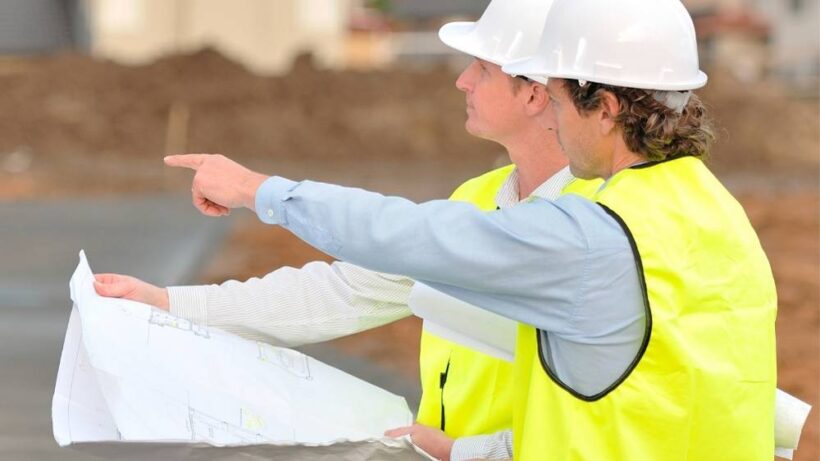
Before we dive into the specific responsibilities of a supervisor, it is worth taking a moment to consider what falls under the umbrella of temporary works. In the context of a UK construction site, temporary works are the parts of a project that allow the permanent structure to be built. They are the bits that are taken away once the job is done, but without them, the whole thing would literally fall down. We are talking about things like scaffolding, formwork, falsework, excavation support, and even the huge cranes that dominate the skyline.
Because these structures are, by definition, temporary, they are often where the most significant risks lie. History has shown that when temporary works fail, the consequences are often catastrophic. This is why the industry has such a rigorous framework for managing them, and why the role of a Temporary Works Supervisor is so vital to the safety of everyone on the project. It is not just about ticking boxes; it is about ensuring that the engineered solutions designed to keep the site standing are implemented exactly as intended.

Why the Temporary Works Supervisor is the unsung hero of the site
In the hierarchy of site management, you will often hear about the Temporary Works Coordinator (TWC). While the TWC is responsible for the overall management and the high-level design coordination, the Temporary Works Supervisor is the person with their boots on the ground. They are the eyes and ears of the temporary works management system. While the coordinator might be in the office reviewing designs or liaising with engineers, the supervisor is out there in the rain, making sure that the props are vertical, the pins are in the right holes, and the ground conditions haven’t changed since the design was signed off.
The role is about bridge-building between the theoretical design and the practical reality of a building site. A design might look perfect on a CAD drawing, but if the supervisor notices that the base plates are sinking into soft ground or that a subcontractor is trying to cut corners to save time, they have the authority and the responsibility to stop the work. It is a position that requires a unique blend of technical understanding and the confidence to challenge people who might have been in the industry for thirty years.
Daily responsibilities you can expect to handle
If you are stepping into this role, your daily routine will be heavily focused on inspection and communication. You aren’t just there to watch people work; you are there to verify that the work matches the temporary works register and the specific design drawings. Some of the core tasks involve:
- Assisting the Temporary Works Coordinator in maintaining the temporary works register for the site.
- Supervising the installation, use, maintenance, and eventual dismantling of temporary works.
- Conducting regular inspections to ensure that the equipment remains fit for purpose and has not been tampered with.
- Checking that all materials brought onto the site for temporary works match the specifications laid out in the design.
- Ensuring that the people carrying out the work are competent and have been properly briefed on the risks involved.
Understanding the British Standard BS 5975
In the UK, the management of temporary works is governed by British Standard BS 5975. This is the code of practice that outlines how these works should be designed and managed to prevent accidents. Any competent supervisor needs to have a solid grasp of this document. It sets out the clear distinction between roles and ensures that there is a paper trail for every decision made on site.
One of the most important concepts within BS 5975 that a supervisor must manage is the ‘Permit to Load’ and ‘Permit to Dismantle’ system. Before a temporary structure is put under stress—for example, before you pour concrete onto a newly erected deck of falsework—a formal check must be completed. The supervisor is often the one performing this final check, ensuring that everything is built to the design before giving the green light. This process is the final line of defence against structural failure.
Common types of temporary works you will oversee
The variety of tasks a supervisor might oversee is vast. Depending on the size and scope of the project, you could be looking at everything from simple trench supports to complex multi-storey scaffolding rigs. Some of the most common elements include:
- Earthworks: Managing trench sheets, cofferdams, and shoring to prevent excavations from collapsing on workers.
- Structures: Overseeing formwork (the moulds for concrete) and falsework (the supports that hold the formwork in place until the concrete gains strength).
- Access: Ensuring that scaffolding, loading bays, and work platforms are erected safely and inspected every seven days.
- Plant: Supervising the installation of crane bases or the placement of outrigger pads for mobile cranes to ensure the ground can take the load.
Navigating the relationship between the TWC and the TWS
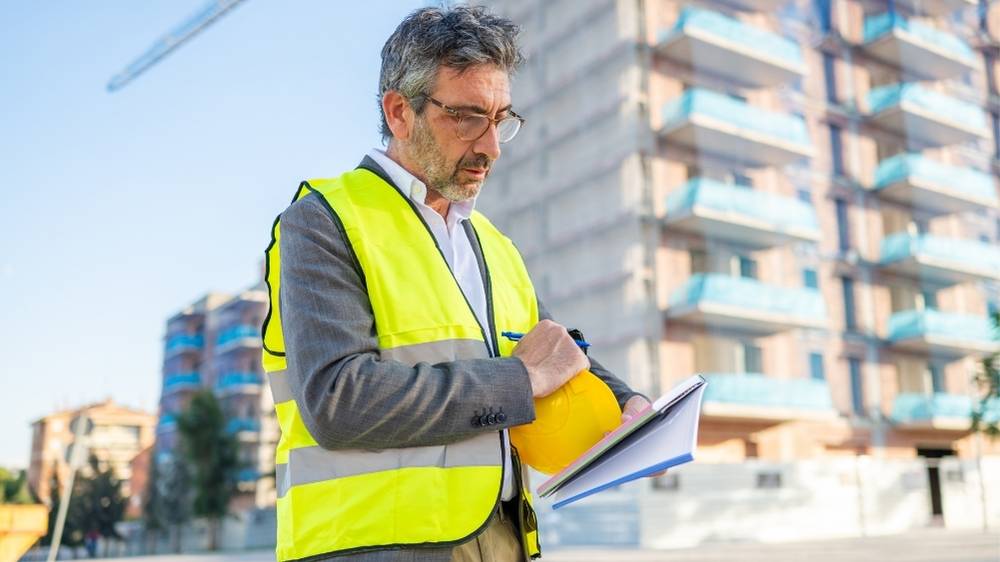
It is important to understand that the supervisor does not work in a vacuum. They are part of a team, and their most important relationship is with the Temporary Works Coordinator. While the TWC holds the ultimate legal responsibility for the management of temporary works on the site, they often delegate the day-to-day supervision to the TWS. This delegation must be clear and documented. A good supervisor knows exactly what their limits are and when they need to escalate a problem to the coordinator. If a design needs to be changed because of an unforeseen obstruction, the supervisor shouldn’t just ‘make it work’ on the fly; they must go back to the TWC to ensure the change is engineered and approved.
The path to becoming a qualified supervisor
You cannot simply decide to be a supervisor one day; you need to prove your competence. Most major contractors in the UK require supervisors to have completed the CITB Temporary Works Supervisor (TWS) course. This is a one-day training programme designed to give you the specific knowledge required to manage the risks associated with temporary works. It covers the legal background, the requirements of BS 5975, and the practicalities of inspections and permits.
Beyond the formal qualification, a good supervisor needs several years of site experience. You need to have seen how things are built and, more importantly, how they can go wrong. Technical knowledge is essential, but soft skills are just as important. You need to be able to talk to engineers in their language while also being able to explain to a labourer why a certain brace is non-negotiable. It is a role for someone who is organised, observant, and not afraid to speak up when they see something that doesn’t look right.
The construction industry is constantly evolving, with new materials and methods being introduced all the time. Staying updated with the latest safety bulletins and changes to British Standards is a part of the job that never really ends. For many, the role of supervisor is a stepping stone toward becoming a coordinator, offering a deep dive into the technical side of site management while maintaining that vital connection to the physical build process.